

Ecodesign: Rethinking the Cycle.
Environmental, Functional, Technical, and Economic Criteria
Designed to Improve the Entire Life Cycle
Ecodesign is one of the fundamental pillars of Erum’s value proposition. It is a strategic service that integrates environmental, functional, technical, and economic criteria in the first phase of product development, with the objective of improving its environmental performance, optimizing its industrial efficiency, and ensuring a complete life cycle based on circularity.

When we ecodesign, we incorporate environmental factors from the outset, acting on all stages of the product life cycle: selection and consumption of materials, factory production, distribution, use, and end-of-life systems.
Applied with real industrial capacity, this approach enables us to transform not only products, but business models and entire supply chains.
Concept
Consumption of
Materials
Production
System
Comprehensive intervention on all elements that determine the environmental and operational performance of the product:
Product Concept
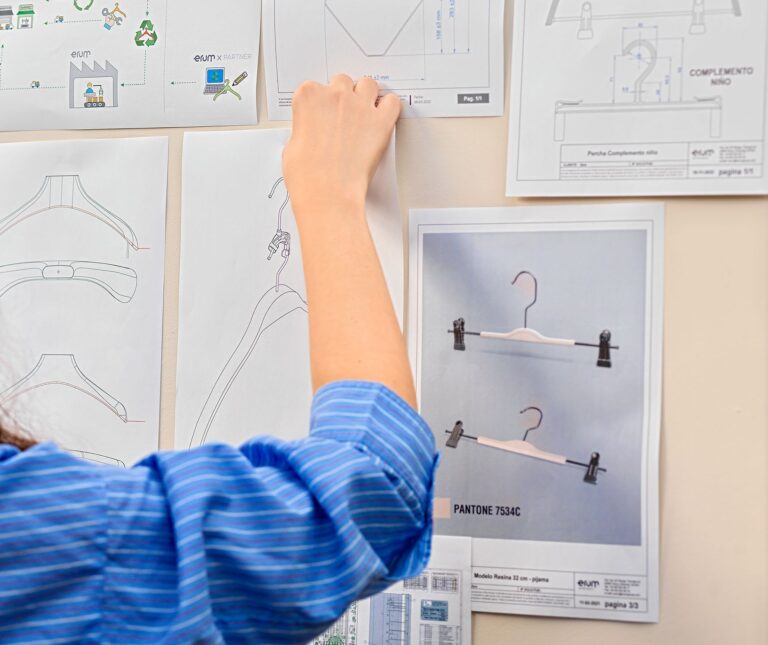
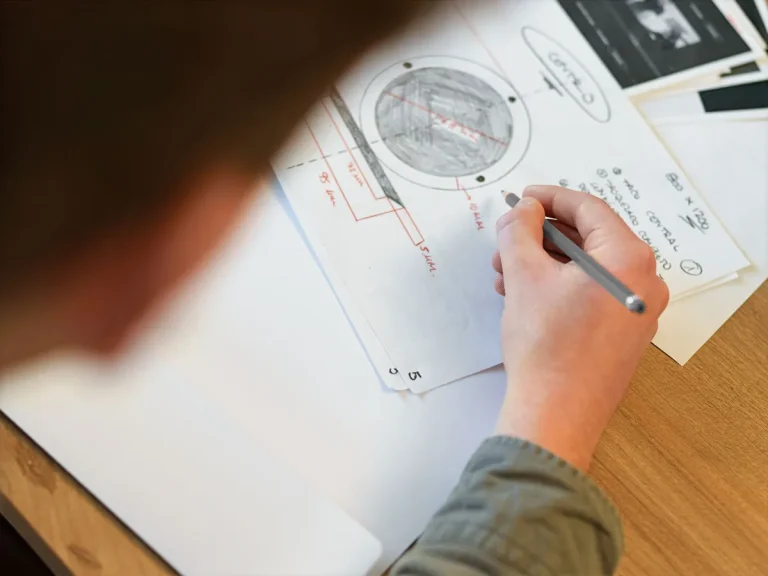
Think Before You Design.
Based on the criteria outlined in the following diagram, at Erum we work to achieve the following objectives:
- Dematerialization: reduction or substitution of components without loss of functionality.
- Multifunction: integration of several functions in a single design to reduce resources.
- Functional optimization: elimination of elements without added value.
Sourcing and Consumption of Materials
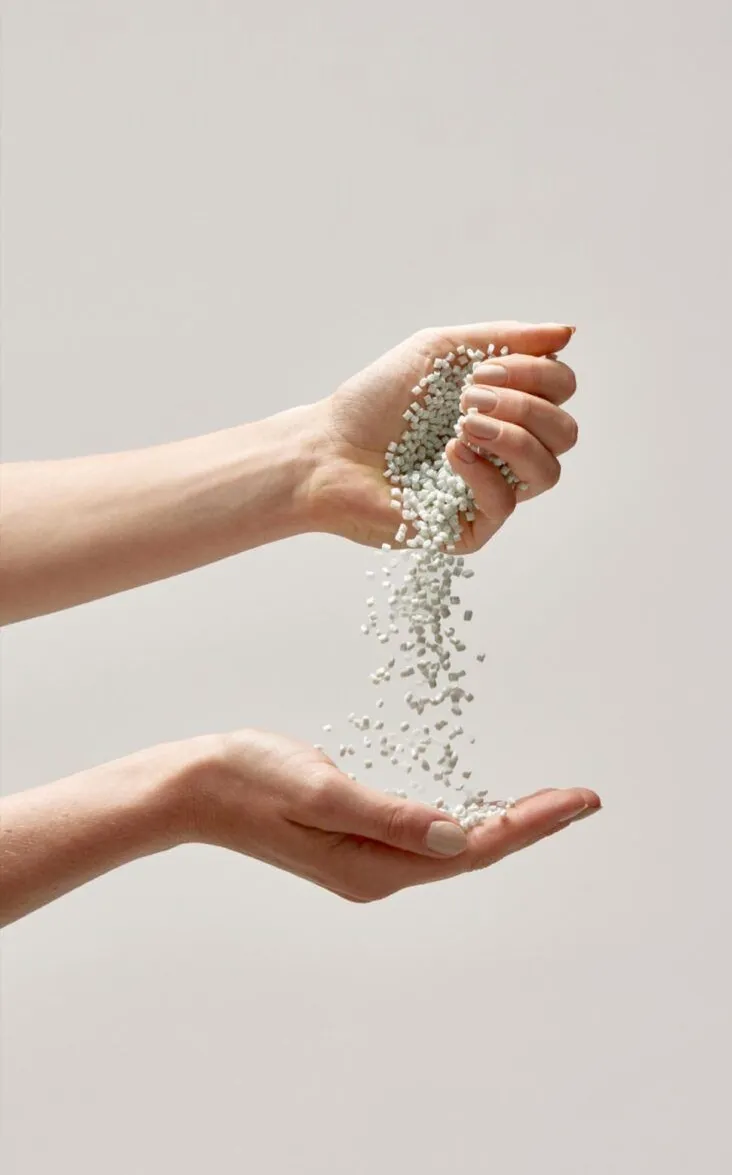
Ecodesign Makes Us Selective.
In the sourcing and consumption of materials phase, ecodesign establishes key criteria that ensure lower environmental impact and greater product efficiency:
- Minimize weight and volume.
- Prioritize recycled, recyclable, or renewable materials.
- Replace toxic or high-impact compounds.
- Utilize waste as useful by-products.
- Reduce energy consumption associated with raw materials.
Factory Production
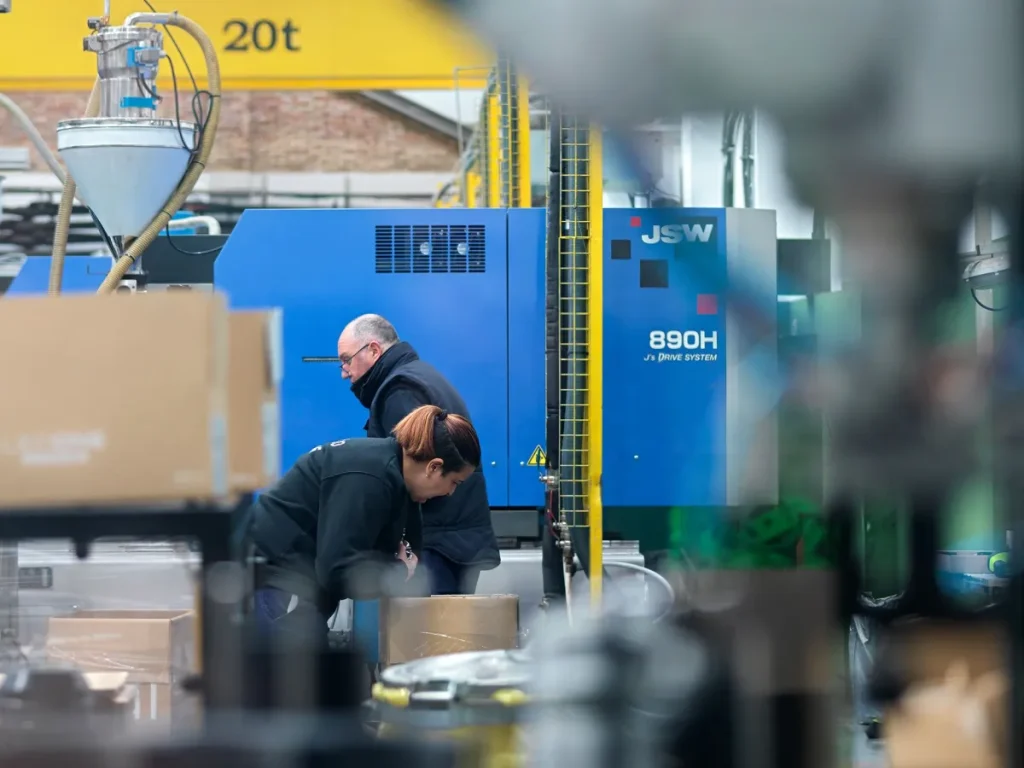
Ecodesign directly optimizes industrial processes. With these optimizations we achieve reduced total production cost, increased productivity, and ensured environmental compliance:
- Reduction of production stages.
- Cleaner and more efficient processes.
- High energy-efficiency equipment.
- Minimization of waste and emissions.
- Integration of renewable energy whenever viable.
Distribution
Logistics and Logic Go Hand in Hand in Ecodesign.
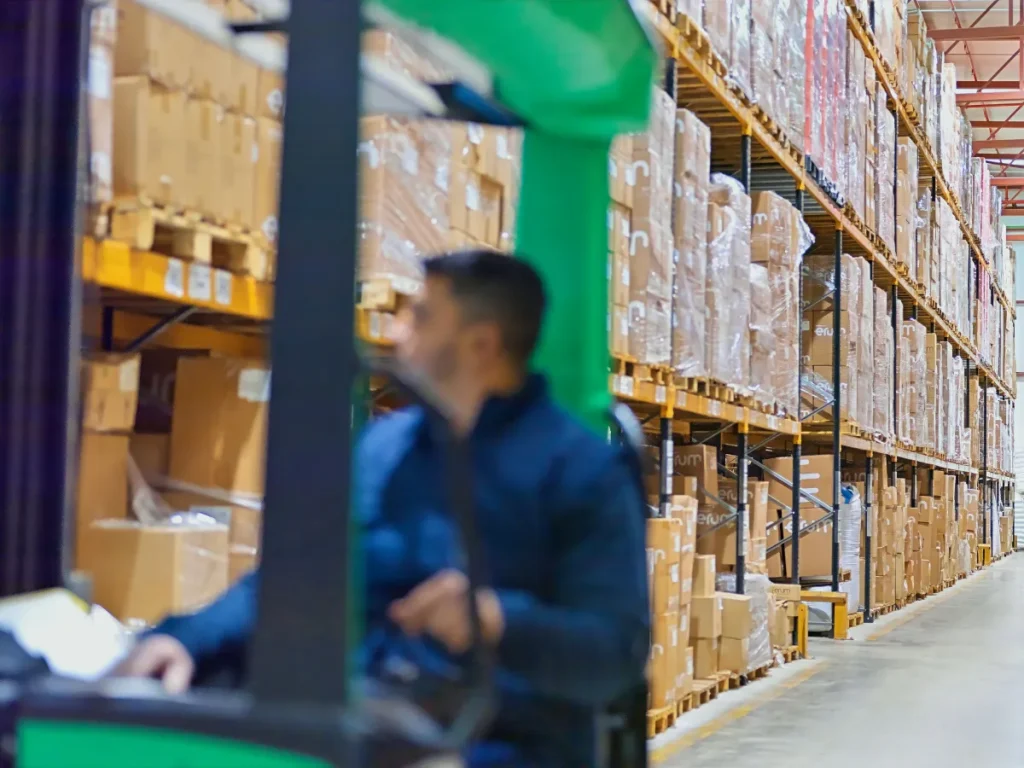
In the distribution phase, ecodesign focuses on improving packaging and logistics solutions to reduce impact and increase efficiency. For sectors such as retail, fashion, or consumer goods, this directly impacts costs, efficiency, and carbon footprint.
- Reduction of weight and logistics volume.
- Recycled and recyclable materials in packaging.
- Reusable or optimized packaging.
- Environmentally efficient transport models.
Product Use
Ecodesigning for User Enjoyment… and the Planet.
Ecodesign also acts during the product use phase. This extends the product’s useful life, reducing replacement needs and improving user experience.
- Identification and elimination of weak points.
- Simple maintenance.
- Modular design that allows repairs and upgrades.
- Timeless design that avoids aesthetic obsolescence.
End of Life
And This Is Just the Beginning…
End-of-life product management requires clear criteria to ensure its circularity, and at Erum we apply them operationally to maximize recovery and reuse:
- Facilitate product reuse.
- Maximize recycling and material recovery.
- Minimize material variety to facilitate separation.
- Design joints that allow rapid disassembly.
- Use of biodegradable or compostable materials when viable.
- Energy recovery in residual scenarios.