

Industrial waste management
A natural extension of the production system
Operational efficiency, control, and order
At Erum Group, we help our clients manage their industrial waste to provide operational efficiency, control, and order.
A structured industrial waste environmental management system reduces costs, strengthens regulatory compliance, improves ESG indicators, and provides full traceability for audits and regulators.

Comprehensive industrial waste management: what we cover and for whom
Erum Group offers an industrial waste management and removal service for generating companies that need to outsource this function with guarantees of traceability, regulatory compliance, and circularity.
We are not a conventional waste manager. We are an industrial operator with our own recycling and recovery chain, which means that the waste we manage does not end up in a landfill or with an uncontrolled external manager; it is reincorporated into the production cycle whenever technically viable.
What we recycle:
- Industrial plastic waste: offcuts, losses, process scrap, off-spec products
- Packaging waste: film, strapping, boxes, trays, post-industrial plastic containers
- End-of-life waste: withdrawn products, returns, obsolete stock
- Logistics waste: plastic pallets, shrink wrap, mixed packaging materials
- Other non-hazardous recoverable industrial waste
For whom:
- Industrial manufacturers with regular generation of plastic waste on site
- Retailers and distributors with packaging waste and reverse logistics
- Companies with extended producer responsibility (EPR / SCRAP) obligations
- Companies with ESG or CSRD reporting requirements that need verifiable recovery data
Integrated waste management: from plant to production cycle
Where others see waste, we see opportunities.
We integrate industrial waste management into the company’s daily dynamics with technical criteria. By organizing flows from the production system, we improve operational performance and advance towards circular economy models applied to the reality of the plant.
Industrial waste diagnosis: what is generated, how much, and its value
In waste management, the key lies in preliminary assessment.
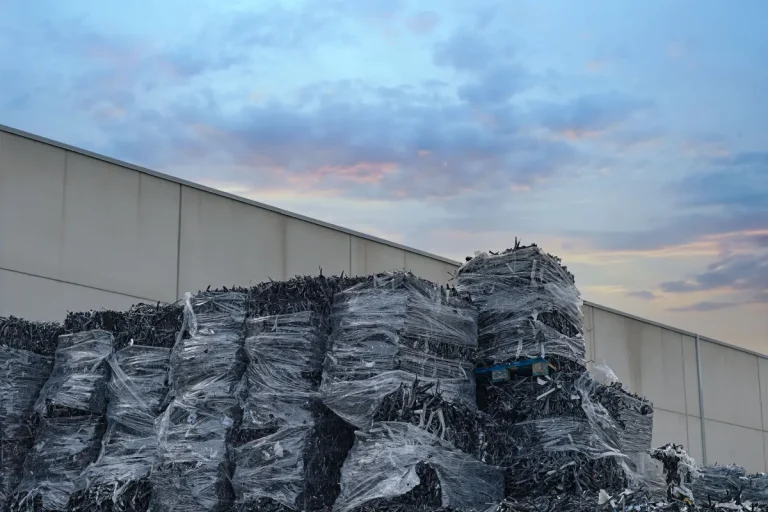
We analyze in detail what is generated, in what volume, and with what frequency. This environmental waste management diagnosis allows us to detect inefficiencies, identify valorization opportunities, and define segregation and destination criteria based on real data to avoid waste.
What the diagnosis includes:
- Inventory of waste flows by type, volume, and generation point
- Identification of recoverable waste vs. waste with net management cost
- Analysis of current regulatory compliance: Law 7/2022, regional and sectoral regulations
- Improvement opportunities in source segregation to maximize material value
- Diagnostic report with proposed solution and cost-benefit estimate
Waste segregation and recovery: separate to recover value
When waste is separated, our client keeps moving forward.
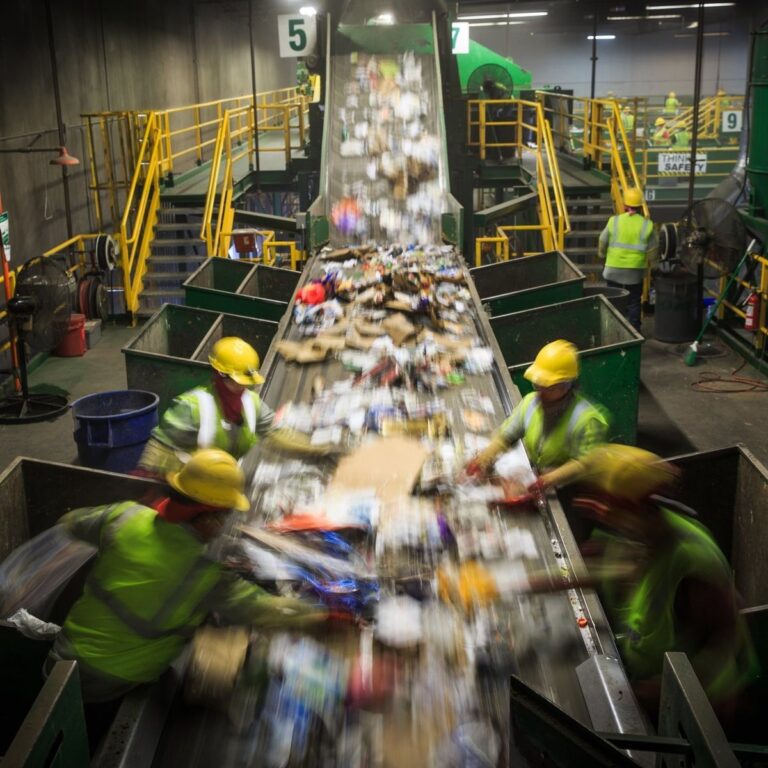
Efficient management begins at the source. Separating industrial plastic waste by type allows recoverable materials to maintain their value and integrate into certified recycling circuits. This avoids unnecessary mixtures, optimizes costs, and transforms a disordered flow into a manageable resource.
How we handle segregation:
- Definition of segregation criteria adapted to each plant and process
- Implementation of identification and classification systems at the source
- Collection and removal of industrial waste according to agreed frequency
- Classification by polymer, color, and quality to maximize the value of secondary raw material
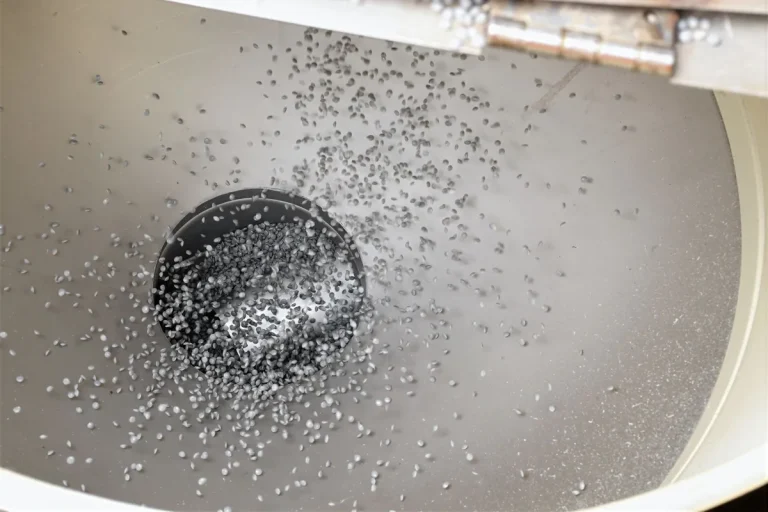
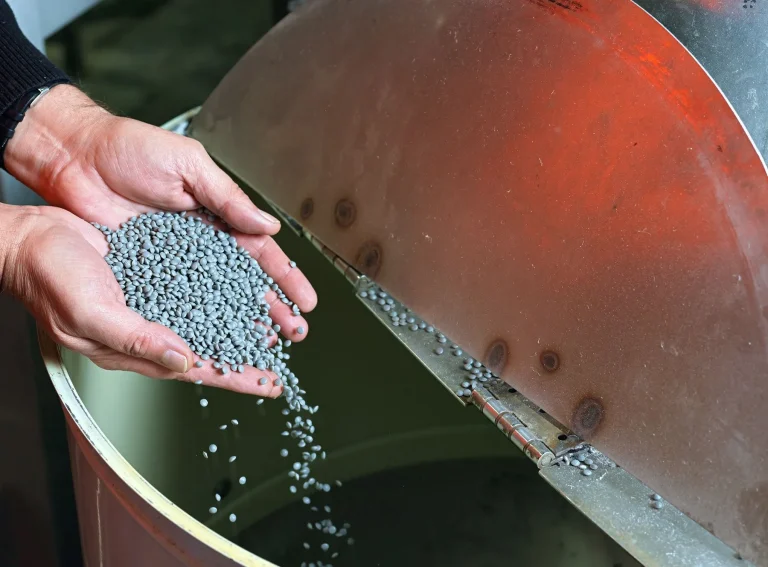
- Integration with our recycling chain. Waste is converted into certified recycled pellets
Industrial waste treatment: the optimal circuit for each flow
We have an agreement: choosing the best option for each waste stream
We define and supervise the treatment circuits for each industrial waste, ensuring operational consistency. We apply technical criteria according to the valorization potential of each flow, guaranteeing safe, efficient management aligned with current regulatory requirements.
Valorization hierarchy we apply:
- Direct reuse of material in the production process
- Mechanical recycling: reincorporation as certified secondary raw material
- Energy recovery when recycling is not technically viable
- Controlled disposal as a last resort, always with supporting documentation
Regulatory compliance and traceability: waste management with legal certainty
The difference between organizing and having everything in order
We manage each flow in accordance with current legislation in each market, ensuring rigor in all phases of the process, from waste transport and storage to recycling and recovery. Full traceability provides legal certainty and immediate response capability for audits, inspections, and environmental reporting needs.
What we document and certify:
- Waste Identification Document (DI) for each waste movement
- Management and recovery certificates issued by an authorized manager
- Record of quantities by type, destination, and period: suitable for ESG reporting
- Compliance with Law 7/2022 on waste and contaminated soils
- Adaptation to sectoral regulations: SCRAP, EPR, extended producer obligations
- Monitoring Dashboard: real-time data for the client
Scalability: industrial waste management in multi-site and international environments
Our system is flexible and designed to grow with the client.
Process standardization facilitates implementation in multi-site and international environments, reducing operational friction and providing long-term stability, with the same traceability and compliance criteria at each plant.
Available collaboration models:
- Recurring management contract: periodic collection, classification, and recovery
- One-off project: removal of accumulated waste, obsolete stock, or off-spec material
- Integrated model: Erum Group manages the complete system from design to reporting
- Multi-site: implementation of homogeneous processes in several plants with unified reporting
Regulatory framework: Law 7/2022, CSRD, and producer obligations
Law 7/2022 on waste and contaminated soils
Establishes the waste hierarchy (prevention, preparation for reuse, recycling, recovery, disposal), recycling targets by category, and the obligations of producers and managers. Erum Group's comprehensive waste management is designed to comply with this regulation and facilitate client compliance.
CSRD and ESG reporting
The Sustainability Reporting Directive obliges companies to report verifiable data on waste generation and destination (Scope 1 and Scope 3). The documentation issued by Erum — quantities by type, destination, recovered percentage — is directly usable in CSRD reports.
EPR and SCRAP: extended producer responsibility
Companies that market products with packaging have end-of-life management obligations through collective extended responsibility systems (SCRAP). Erum Group can act as a technical partner for fulfilling these obligations.
Why Erum Group: waste management with an integrated recycling chain
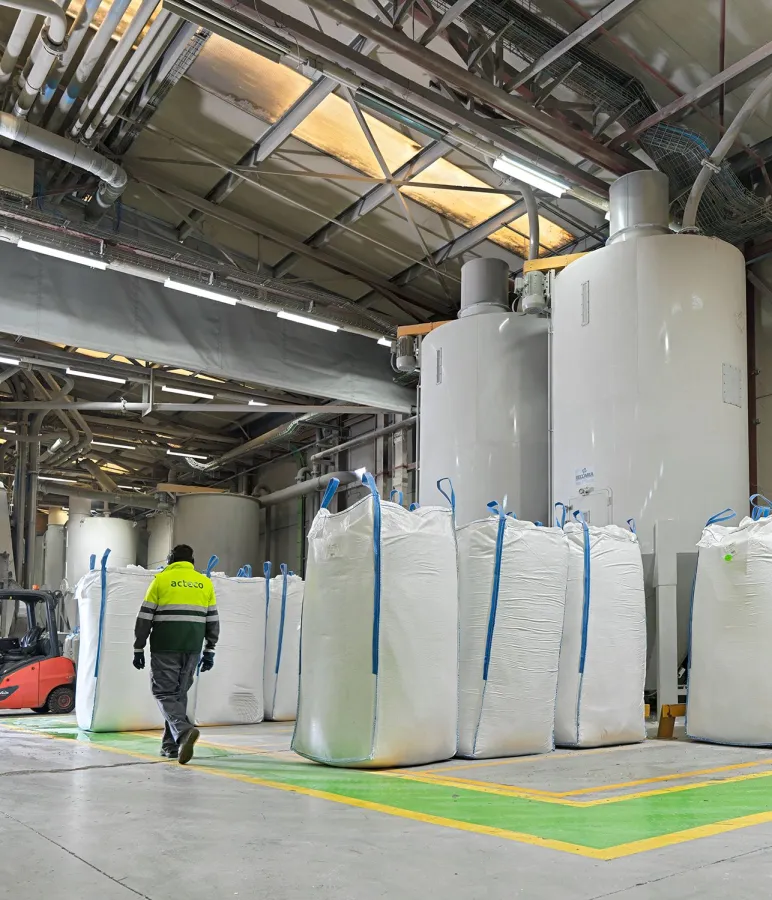
Most industrial waste managers collect, transport, and deliver waste to a third party. Erum Group does something different; we have our own recycling chain, through Acteco, which means we control what happens to the waste after collection.
This has concrete consequences for the client:
- Real traceability: we know exactly what polymer enters, how it is processed, and what product comes out
- Verifiable documentation: the recycled content we generate is GRS and UNE-EN 15343 certified
- Operational circularity: your plant’s waste can become certified raw material for your product
- Fewer intermediaries: less risk of traceability loss between collection and recovery
- Data for ESG and CSRD reporting: we issue documentation directly usable in audits
Frequently asked questions about industrial waste management
What is comprehensive industrial waste management?
It is the service that covers the entire management cycle of waste generated in an industrial environment: diagnosis, source segregation, collection and removal, classification, recovery (recycling or energy recovery), and traceability documentation for regulatory compliance and ESG reporting.
What regulations govern industrial waste management in Spain?
The main regulation is Law 7/2022 on waste and contaminated soils for a circular economy, which transposes the EU Waste Framework Directive. It establishes the waste hierarchy, recycling targets, and the obligations of producers and managers. At the sectoral level, extended producer responsibility (EPR) regulations and packaging regulations (PPWR) also apply.
What types of industrial waste do you manage?
Mainly industrial plastic waste: process offcuts and losses, post-industrial packaging, off-spec products, logistics waste, and end-of-life products. For other types of non-hazardous waste, please inquire about availability.
Do you issue documentation for ESG and CSRD reporting?
Yes. We issue batch traceability documentation: quantities managed by waste type, recovery destination, recycled percentage, and associated certifications. This documentation is directly usable in CSRD reports, sustainability audits, and Scope 3 verifications.
What is the difference between waste recovery and disposal?
Recovery extracts value from waste: through recycling (material) or energy recovery (fuel). Disposal is landfilling or incineration without energy recovery; it is the last resort in the waste hierarchy of Law 7/2022 and generates cost without return. Erum Group always prioritizes maximum recovery.
Do you work with companies outside Spain?
Yes. Erum Group operates in more than 10 countries. The waste management system can be implemented in multi-site and international environments with the same traceability and reporting criteria.