
Traceability has become a keyword for the industry.
It allows for knowledge of where a product comes from, the materials it contains, how it was manufactured, or the path it has followed within the value chain.
All of this matters.
However, knowing what happens to a product does not mean that the product returns to the system.
That is where the difference lies.
Circularity truly begins when a company has a system capable of recovering, sorting, reusing, recycling, and returning value to the cycle.
Because information allows for better understanding.
But the system allows for action.
At Erum Group, this system is called RTS, Return to Source.
Knowing where a product is located is only the beginning
Traceability helps organize information, make better decisions, and respond to new demands for transparency, sustainability, and reporting.
It also provides a better understanding of a product’s origin, composition, and journey.
But, on its own, it does not reduce waste.
It does not reuse materials.
It does not recover value.
It does not close the loop.
A company may know exactly where a product is and yet still lack the capacity to recover it at the end of its first use.
Therefore, the industry does not only need more data.
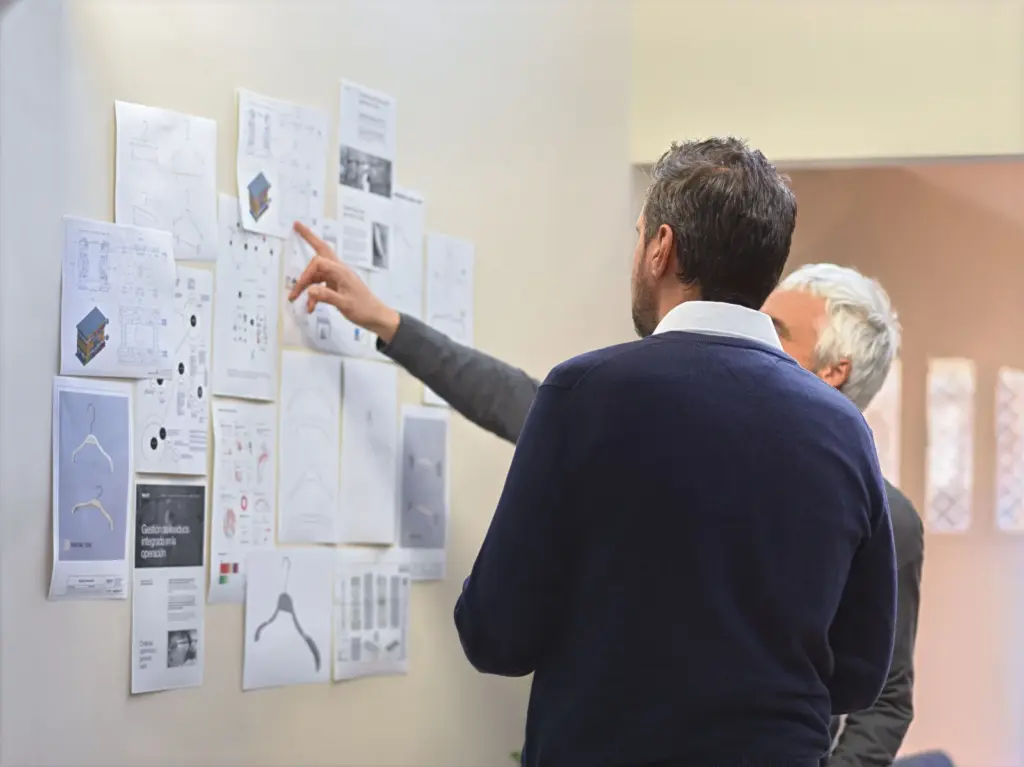
It needs systems capable of converting that data into operational decisions.
The true value lies in making it return
The circular economy is not completed when a product is identified.
It is completed when it can return. Return to be reused, repaired, recycled, and generate value once again.
This return is what differentiates a circular model from a merely informed one.
Without reverse logistics, recovery does not occur.
Without sorting, there is no correct decision.
Without reuse or recycling, circularity remains incomplete.
The real challenge is to build a system that allows for product recovery and deciding what should happen next.
RTS: Erum’s system for recovery, sorting, and recirculation
RTS is Erum Group’s system for making that return to the cycle possible.
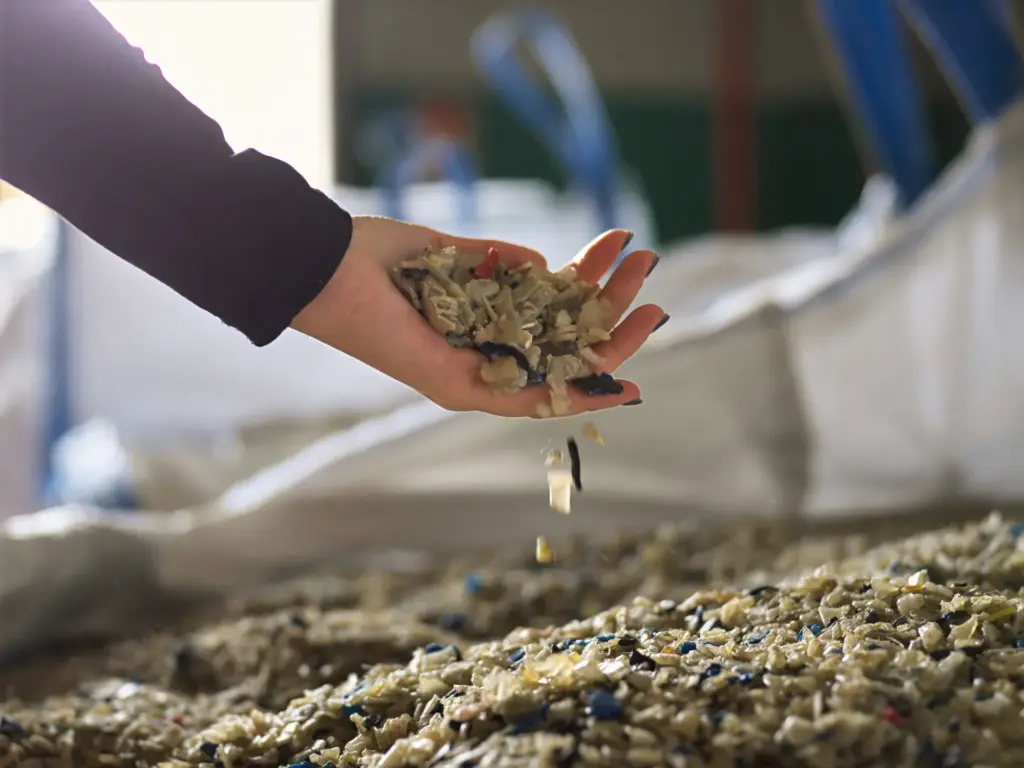
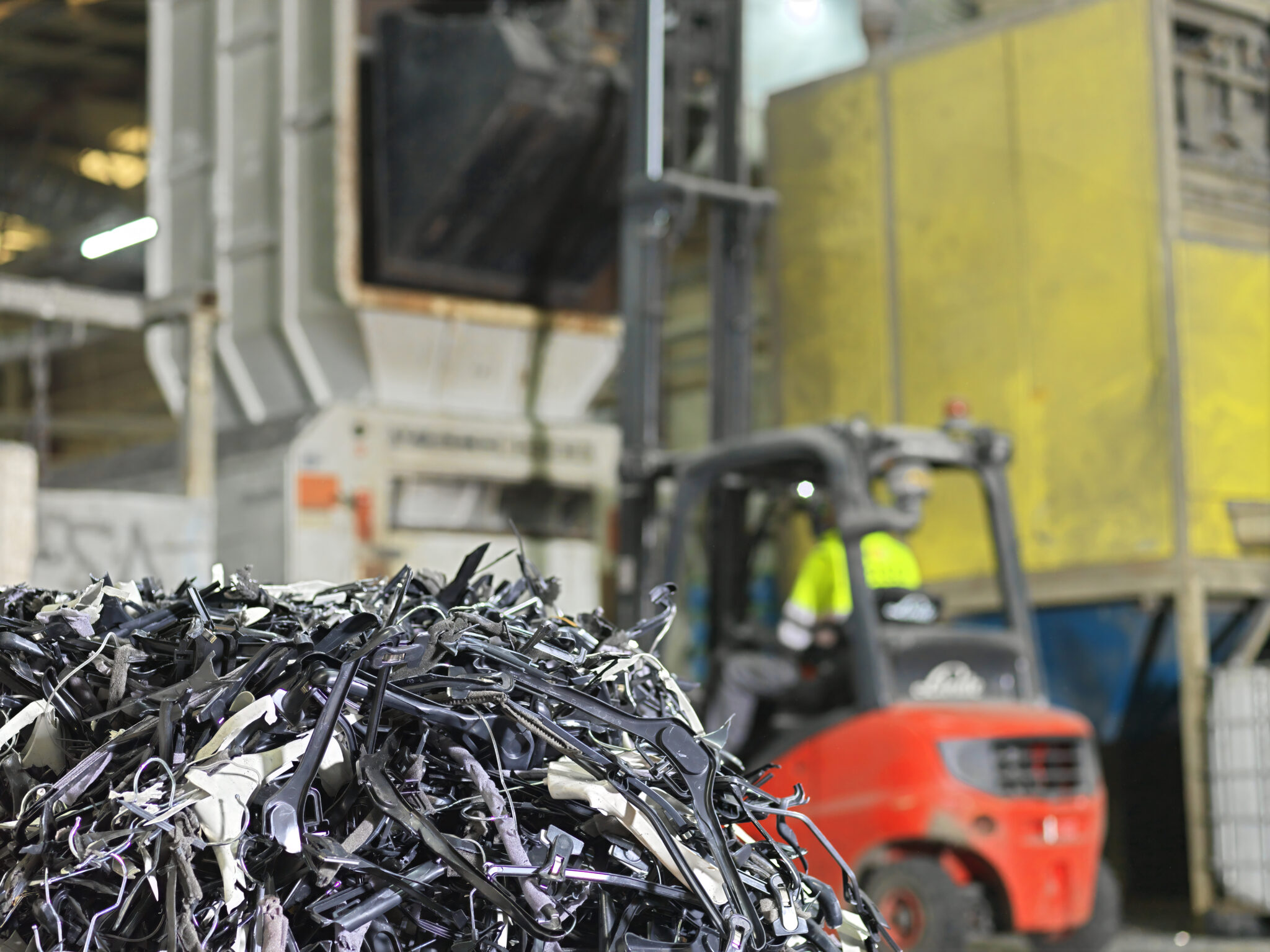
Through reverse logistics processes, products and materials are collected, sorted, and managed according to their condition and their potential for reuse, repair, recycling, or recirculation.
The goal is to preserve the greatest possible value.
Some products can return directly to the circuit.
Others require intervention.
Others have reached the end of their service life and must be transformed into new resources.
The key lies in not treating everything as waste.
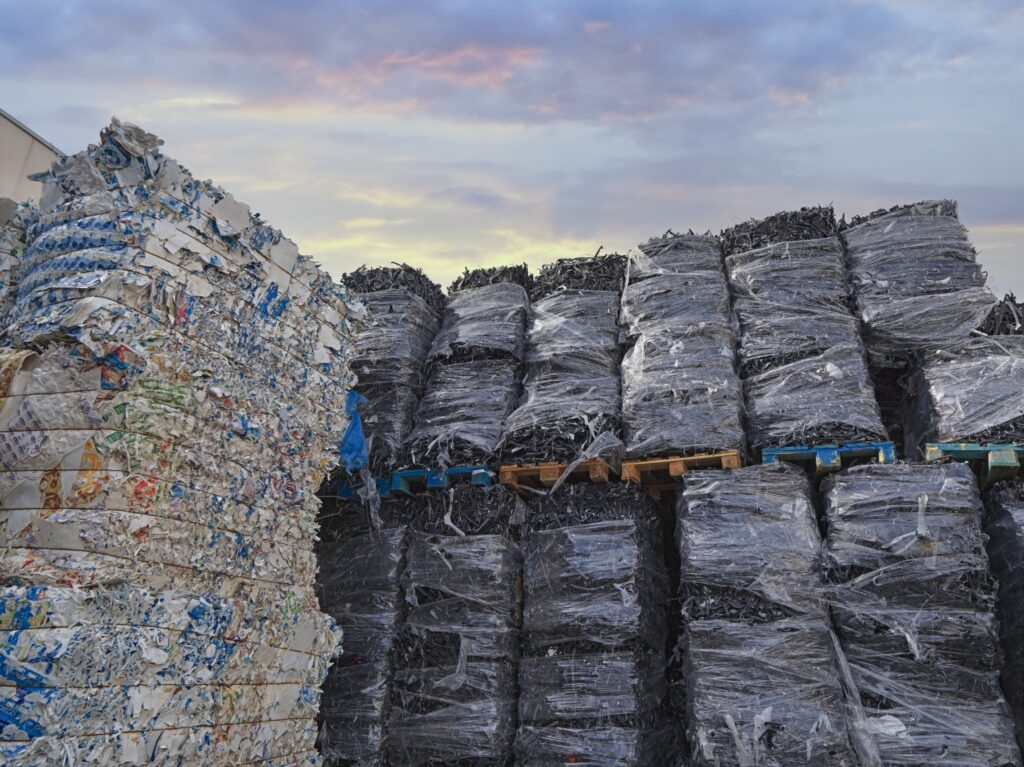
RTS allows for the analysis of each return and the definition of the best possible destination so that materials continue to generate value within the system.
Circularity applied to fashion retail
The fashion retail sector is a prime example.
Sustainability does not depend solely on the garment. It also depends on everything that accompanies it: hangers, packaging, auxiliary materials, logistics, and waste generated in-store or in the supply chain.
If these elements are designed and managed under a linear logic, they end up generating waste.
If they are integrated into a circular model, they can become resources.
At Erum Group, a hanger is not viewed as an isolated product. It is part of a value chain that can be rethought from design, use, recovery, and recirculation.
It can return to the circuit if it maintains its conditions of use.
It can be repaired if it requires intervention.
It can be recycled if it has reached the end of its service life.
It can become raw material if the material is correctly recovered.
It is not just about knowing where a hanger is. It is about making it return.
Rethinking the circular era
Traceability is necessary, but not sufficient.
It helps to know.
It helps to measure.
It helps to make better decisions.
But circularity needs something more: the capacity to act.
Collect.
Sort.
Reuse.
Recycle.
Recirculate.
This is where sustainability stops being a statement and becomes an operational model.
At Erum Group, Rethinking the circular era means looking again at every product, every material, and every process to find ways for them to continue generating value.
Because circularity is not just about knowing what happens to a product.
It consists of building the system that allows it to return.