
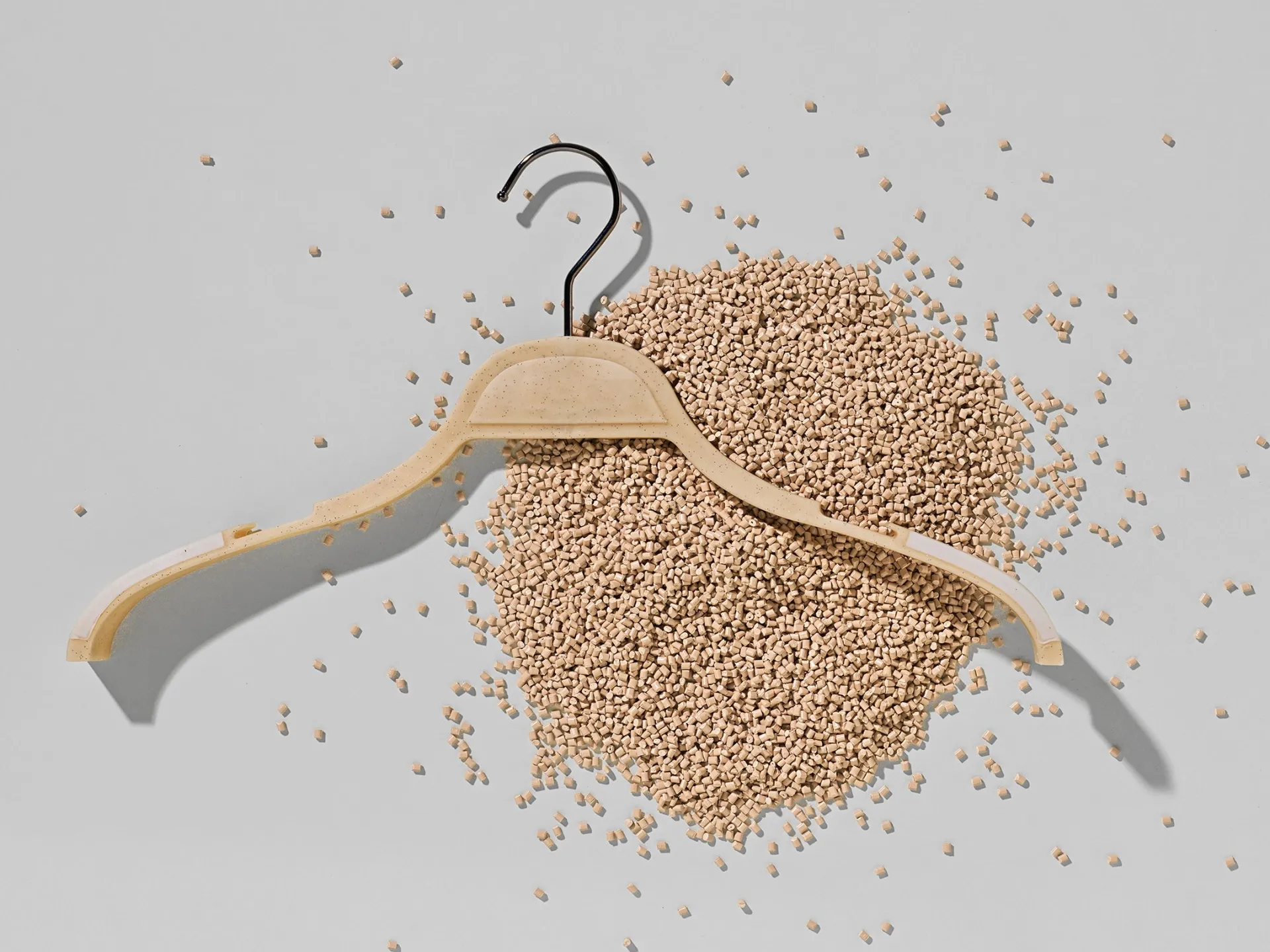
For years, the circular economy was explained as an alternative to the traditional model of produce, use, and discard. Today, that definition falls short.
If we are looking for a simple definition of the circular economy, we could say it is a new industrial logic. A way to design, manufacture, use, recover, and restore value to products, materials, and processes.
In a context shaped by pressure on raw materials, rising costs, new regulatory requirements, and growing demand for more sustainable solutions, companies face a decisive question: how to keep growing without relying on a model that consumes resources as if they were infinite.
That is where the circular economy begins.
From waste to resource
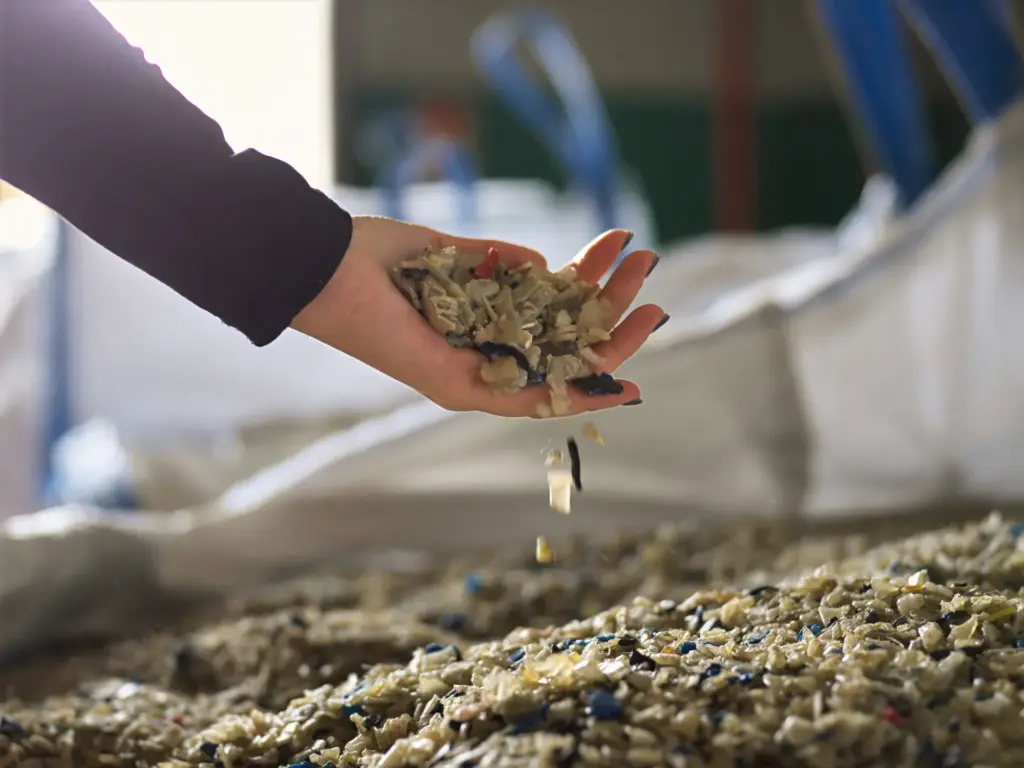
When a company asks what the circular economy is, the answer should go far beyond recycling. The circular economy starts from an idea that seems simple, but is deeply transformative: every material has more than one life if it is designed, managed, and recovered correctly.
This means stopping seeing waste as the end of a process and starting to understand it as the beginning of a new opportunity. A product can be reused. A part can be repaired. A material can become raw material again. A process can be optimised to reduce waste, energy use, costs, and impact.
Circularity changes the question. It is no longer just about what we do with a product when it reaches the end of its use, but how we think about it from the outset so it can last longer, circulate better, and generate more value.
Why circularity is already part of competitiveness
Industry is operating in an increasingly demanding environment. Europe has strengthened its regulatory framework to accelerate the transition towards more sustainable, efficient, and circular products. The European Regulation on Ecodesign for Sustainable Products establishes a new framework to incorporate requirements related to durability, reparability, reuse, resource-use efficiency, recycled content, recyclability, and the availability of product information. At the same time, the Spanish Circular Economy Strategy, Spain Circular 2030 sets out a roadmap to move towards more efficient production and consumption models, and Law 7/2022 on waste and contaminated soils for a circular economy reinforces the principles of prevention, reuse, recycling, and waste recovery.
This context confirms something industry is already beginning to accept: circularity has stopped being a reputational option and has become a market condition.
Customers ask for traceability. Regulators demand greater responsibility. Investors look at ESG indicators. Supply chains need stability. And companies are looking for models that can reduce dependencies, improve efficiency, and generate value with less impact.
That is why talking about the circular economy in business is talking about competitiveness, resilience, and adaptability. The circular economy responds precisely to that point of tension between industry, sustainability, and business.
Circularity means designing better
Talking about the circular economy is talking about design, because a large part of a product’s impact is decided before it is manufactured.
Which material is chosen. How weight is optimised. What its service life will be. How it can be repaired. How its components will be separated. What will happen when its first use ends. How it can be recovered and brought back into the system.
Industrial eco-design makes it possible to make better decisions from the outset. And when those decisions connect with engineering, manufacturing, logistics, waste management, recycling, and recirculation, circularity stops being an idea and becomes a system.
In industry, good intentions only transform when they become processes.
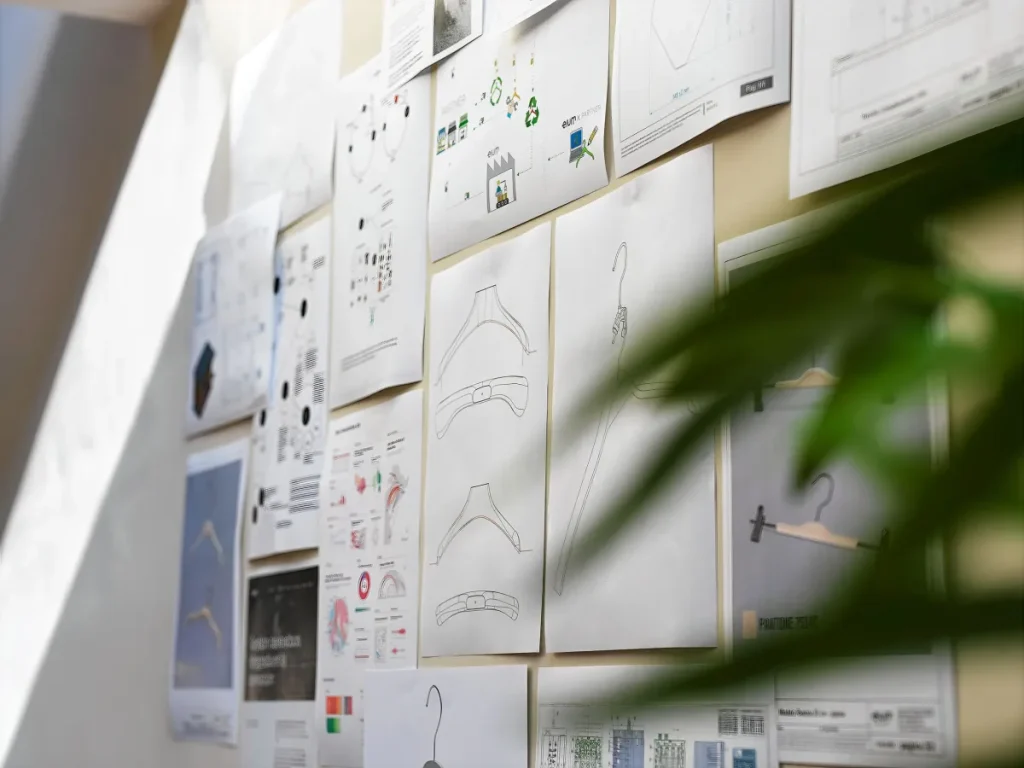
From the 3Rs to the 7Rs
For years, the circular economy was explained through the well-known 3Rs: reduce, reuse, and recycle. Three simple principles that helped change how we understand consumption, waste, and resource use.
But today’s industry requires a broader view.
Today, talking about circularity means moving towards the 7Rs, an approach that incorporates new decisions before, during, and after a product’s service life: redesign, reduce, reuse, repair, refurbish, recover, and recycle. This evolution makes it possible to move from end-of-cycle-focused management to a strategy that starts much earlier—in design, in material selection, in production processes, and in how each product can return to the system.
The difference is important. The 3Rs helped establish an initial environmental awareness. The 7Rs make it possible to build a more complete logic, connected to the green economy, sustainable development, and industrial competitiveness.
Because reducing remains essential. Reuse is still one of the most effective ways to extend product life. And recycling continues to be a key piece. But a truly circular industry must also ask how to redesign better, how to repair, how to recover value, and how to prevent materials from losing usefulness too soon.
In that shift in approach lies the new opportunity: moving from managing waste to designing systems; from correcting impacts to anticipating them; from making products that end at a final point to creating solutions designed to keep circulating.
The circular economy begins when we stop seeing the product as something closed and start seeing it as part of a living cycle.
Examples of the Circular Economy
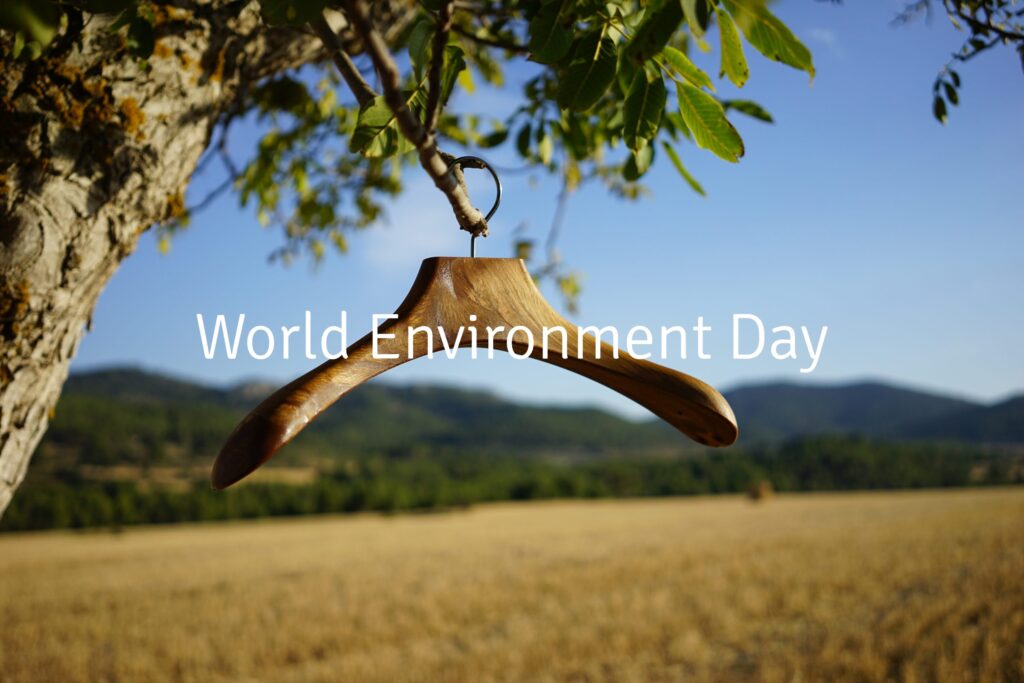
The circular economy is best understood when you can see it in a specific product. A hanger, for example, may seem like a simple item in retail. But when it is managed at scale, it becomes a key piece for understanding how a circular business model applied to industry works.
In Erum’s RTS system, hangers used in the retail sector are collected, transported, and sorted according to their condition. From there, each one follows the path that preserves the greatest possible value.
If a hanger remains fit for use, it is reused. If it needs intervention, it is repaired or refurbished. And if it has reached the end of its service life, it is recycled to turn its materials into new resources.
That process summarises the logic of the circular economy very well: preventing a product from automatically becoming waste; extending its service life whenever possible; recovering materials when reuse is no longer viable; and returning value to the system instead of losing it.
| Hanger condition | Circular decision | Result |
|---|---|---|
| In good condition | Reuse | The hanger returns to the circuit and avoids manufacturing a new one |
| Needs intervention | Repair or refurbishment | Its functionality is restored and its service life is extended |
| At the end of its service life | Recycling | The material is transformed into a resource for new processes |
| Not suitable for direct use | Technical sorting | The best destination is defined to preserve the maximum possible value |
This example shows how the circular economy connects with the green economy and sustainable development through a very concrete industrial logic. Each recovered hanger can mean less waste, lower resource consumption, and a more efficient chain for retail.
The key is not to look at the product only for what it is, but for everything it can become again. In RTS, a hanger does not end when it leaves the store. It can come back, be checked, regain its function, or become raw material.
That is the shift in approach: moving from managing waste to managing value; from use-and-discard to recovering, sorting, and making better decisions; from a linear product to a circular system designed to keep working.
The new industrial economy
The circular economy requires a change in perspective: moving from products designed for a short life to solutions designed to stay in use; from waste that is difficult to manage to materials ready to re-enter the circuit; from isolated processes to connected value chains.
That change affects all sectors: retail, automotive, packaging, home, road safety, agrivoltaics, logistics, waste management, and environmental consulting. Each industry has its own challenges, but they all share the same need: to make better use of resources and build models that are more resilient, efficient, and future-ready.
That is where the circular business model comes into its own. A circular company not only reduces impact; it also improves processes, protects resources, anticipates regulatory requirements, and turns materials, products, and waste into new value opportunities.
At Erum Group, this way of understanding circularity is part of an industrial track record built over decades. The group combines industrial ecodesign, engineering, plastics transformation, recycled raw material, waste management, recirculation, logistics, and applied innovation to help companies across different sectors rethink their products, materials, and processes.
Because the circular economy starts long before recycling. It starts when a company decides to question how it does things.
Rethinking the circular era
Rethinking the circular era sums up a way of working: taking another look at what seemed resolved; asking whether a product can last longer; whether a material can have another life; whether a process can be more efficient; whether waste can become a resource; whether a value chain can generate less impact and more competitiveness.
The circular economy is no longer optional because industry no longer competes only to produce more. It competes to produce better.
And producing better means designing with purpose, manufacturing efficiently, recovering intelligently, and understanding that every material, every product, and every process can have value again.
That is the new circular era. And there is still much to rethink.