

Circularity generates information. Each product that returns, each sorting process, and each new cycle provide better insight into how products, materials, and processes behave.
That knowledge is important. But improvement occurs when there is capacity to act on what the data reveals.
In retail, knowing a product’s journey enables understanding how long it remains in use, in what condition it returns, which elements show the most wear, what can be reused, what must be recycled, or where inefficiencies exist within the return flow.
Traceability provides that visibility, and infrastructure enables transforming it into action.
Understanding What Happens in Each Cycle
The data generated during a product’s journey enables identifying patterns and detecting improvement opportunities.
A high breakage rate may signal the need to review a geometry. Premature loss of performance may lead to reconsidering a material. A low reuse percentage may focus attention on design, sorting, or recovery conditions. An inefficient return flow may reveal opportunities within reverse logistics.
The information enables knowing where to intervene.
From there begins the true capacity for optimization.
From Information to Operational Capacity
Converting that knowledge into real improvement requires having the necessary resources to intervene in the cycle.
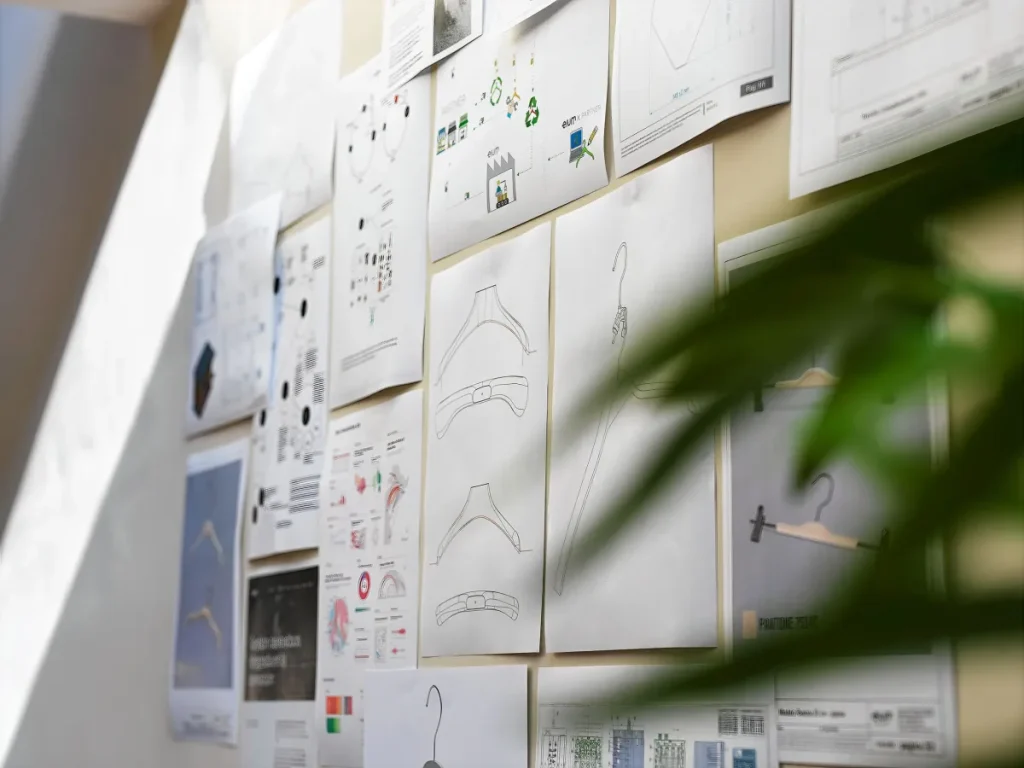
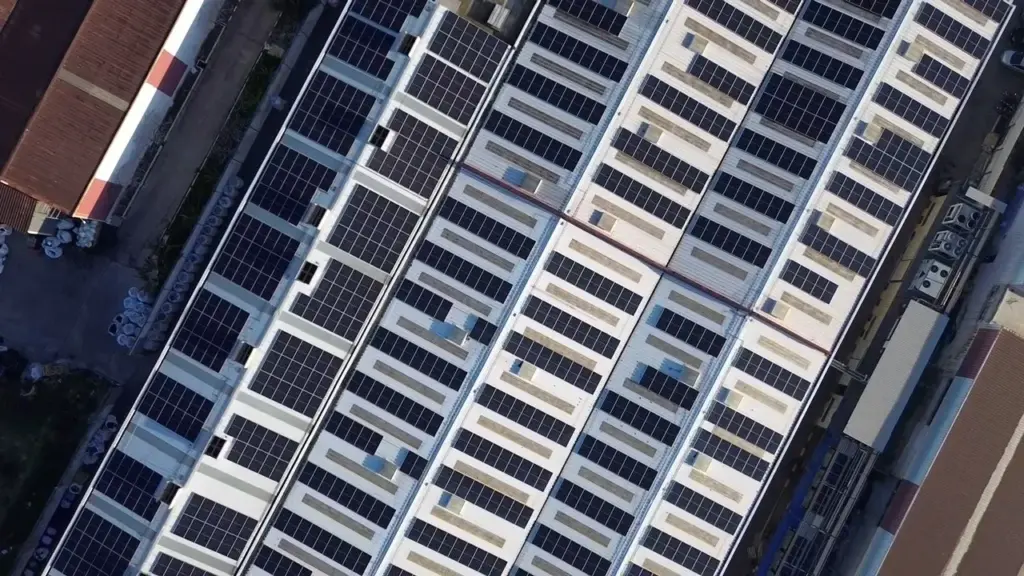
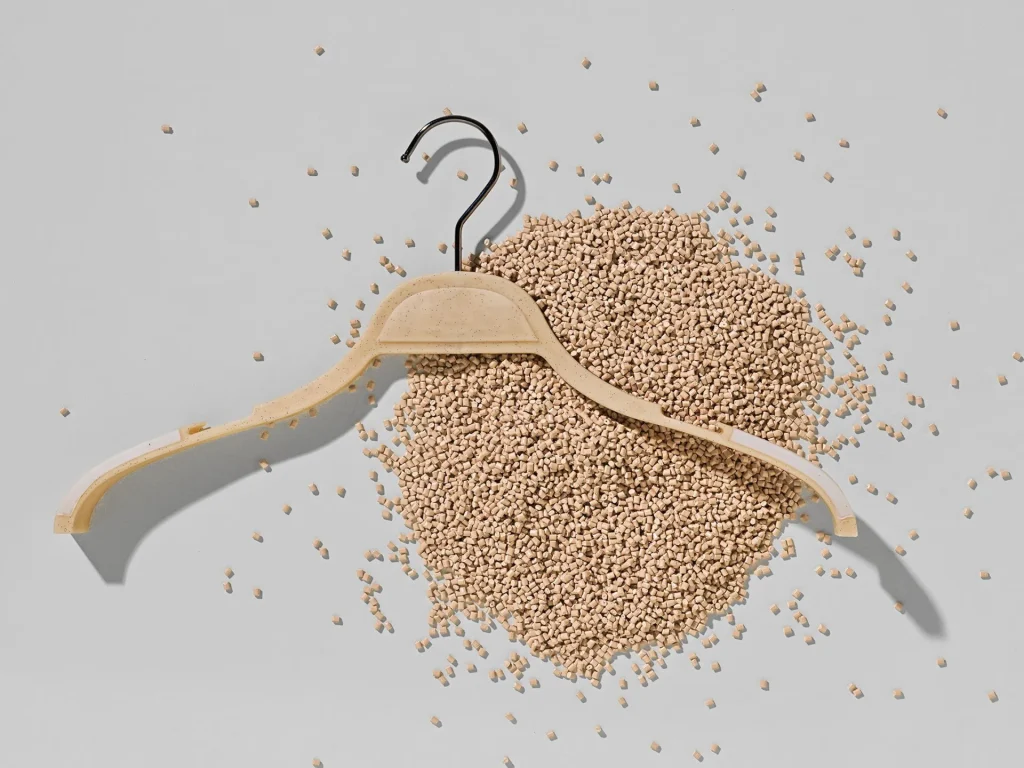
At Erum Group, this capacity connects different disciplines within the same circular logic: ecodesign, engineering and robotics, use of recycled raw materials, sustainable injection molding, logistics and reverse logistics, waste management, and recirculation systems such as RTS (Return to Source).
Each enables acting at a different point.
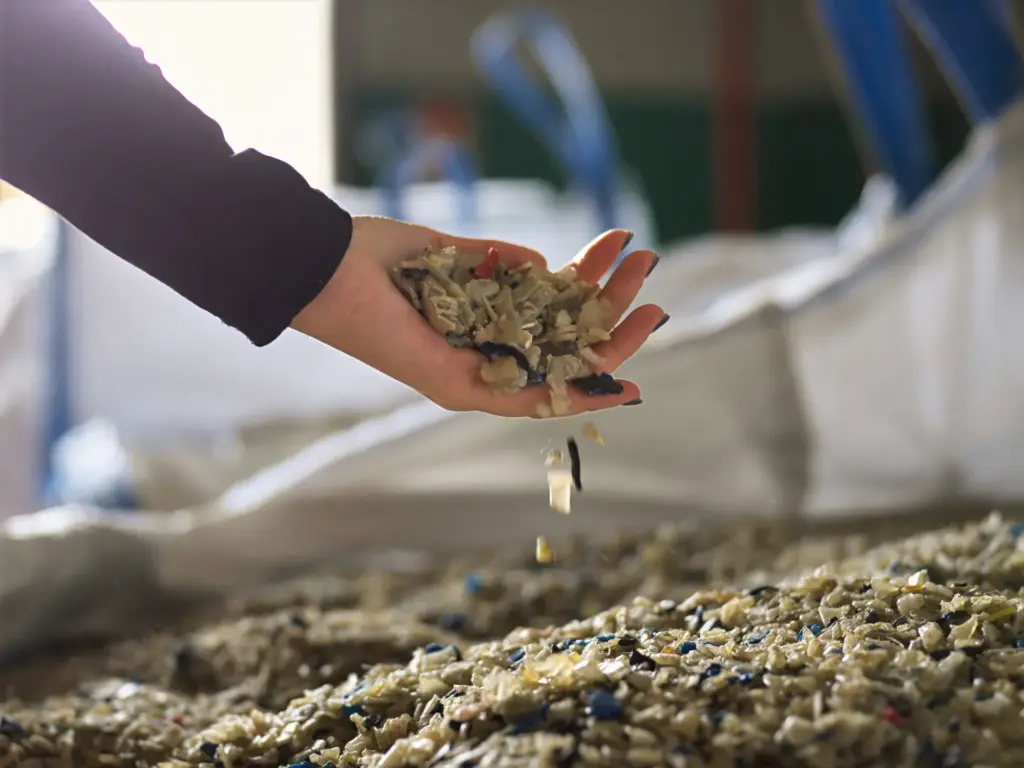
Design can be modified to increase durability. Materials can be adjusted to improve performance or facilitate their recovery. Industrial processes can be optimized. Logistics flows can be reorganized. Recovered products can be sorted to determine whether they should be reused, repaired, recycled, or reintegrated into the system in another way.
Data guides those decisions. Infrastructure enables executing them.
A System That Learns from Each Cycle
Circularity functions this way as a continuous improvement process.
Operation → data → knowledge → decision → action → new cycle.
Each cycle provides new information about the actual behavior of products and materials. That information enables adjusting the system and subsequently evaluating the impact of the decisions adopted.
RTS is part of this logic by connecting recovery, sorting, and recirculation within processes capable of operating in international supply chains.
The objective goes beyond knowing where a product is or understanding its composition. It consists of using that information to preserve its value longer, prioritize reuse when it remains viable, and recover materials when the product reaches the end of its useful life.
Measure to Decide. Act to Improve.
Data plays an increasingly important role in the transition toward circular models because it provides knowledge, traceability, and analytical capacity.
Its true value appears when it is connected with infrastructure capable of converting that knowledge into decisions, and those decisions into real operations.
Because measuring enables understanding, but acting on what is learned is what enables improving circularity.